Monday, November 15, 2010

Top vegetables and fruits that are good for health

1) Improve digestion and sleep
Black beans, bran cereal, avocado, apples, brown rice, grapefruit, peppermint, soybeans, ginger, pineapple, melon, asparagus


2) Prevent colds and other common illnesses
Orange juice, bell peppers, green tea, pumpkin seeds, summer squash, apricots, ground cinnamon, cayenne pepper, cloves, cranberries

3) Generally productivity boosters
Mustard greens, plums, sweet potatoes, papaya, pear, dill, cauliflower

4) Eyesight
Strawberries, carrots, flaxseeds, spinach, blueberries, medlar (barbary wolfberry fruit)

5) Energy and brain food
Raisins, lima beans, corn, fig, spinach, turnip leaves, green beans, peanut butter, kidney beans, lemons, sage

6) Cancer and long term illness prevention
Blueberries, kale, cabbage, tomatoes, broccoli, rye bread, raspberries, basil, Brussels sprouts, seaweed

7) Control blood pressure and improve heart health
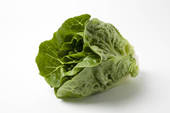
Bananas, dark chocolate, Romaine lettuce, olives, kiwi, grapes, spring greens
Thursday, November 11, 2010

VEGETARIAN TEMAKI RECIPE

Before I turned from meat eater to vegetarian, I didn't like Japanese food. When I became a vegetarian, there was one day, about 7 or 8 years ago, I brought my family to a newly opened vegetarian restaurant in Bandar Sunway, where Japanese foods were served. This was the first time I ate Japanese foods including vegetarian Temaki. My family enjoyed the food very much especially vegetarian Temaki.

Later, as I mentioned that my wife likes to cook, she therefore learned how to make Temaki and here is the recipe:-

Ingredients

(A) 2 bowls cooked sushi rice
      6 sheets roasted laver

(B) 30g alfalfa sprouts
     1 lettuce
     Some cucumber and carrot strips
     1 avocado cut into strips

(C) A bit of salad cream

(D) 3 table spoon small vegetarian shrimp - deep fried till crispy
     or monkey mushroom floss (can be bought at vegetarian shops)

Method

Place some rice diagonally across a sheet of purple laver. Arrange ingredients (B) and (C) on it and roll it into a cone shape, garnish with (D) as toppings. Now Temaki is ready for you to eat.


Tuesday, November 9, 2010

10 ESSENTIAL HEALTHY FOODS

1. Yogurt  

This delicious dairy product is a healthy food which is rich in vitamins and nutrition. Yogurt may help to lose weight while maintaining muscle, bolster immune system and block progression of colon cancer. Yogurt may be an anti-inflammatory and a treatment for arthritis and also may benefit those who have problems of lactose intolerance, inflammatory bowel disease, diarrhea, constipation or food allergies.
2. Olive Oil

The benefits of olive oil may go way beyond its wonderful taste. This monounsaturated oil, which is rich in antioxidants, may be the key to the healthy diet - meaning a lower risk of heart attacks, diabetes and colon cancers.
3. Almonds 
Almonds contain monounsaturated fat, magnesium, calcium, potassium and fiber. These crunchy, protein-packed nuggets provides monounsaturated fat that help to slash LDLs (bad cholesterol) and boost HDLs (good cholesterol). Almonds also provide calcium and magnesium that are able to help to lower blood pressure.
4. Kidney Beans
Kidney beans contain soluble fiber, folate, potassium and magnesium. These beans could cut down the risk of coronary heart disease. They are also rich in LDL-lowering soluble fiber and homocysteine-controlling folate, as well as blood pressure-easing potassium and magnesium.

5. Apples

Apples are rich in antioxidants and pectin (a soluble fiber). People who ate two apples a day had fewer oxidized, artery-attacking LDLs than non-apple eaters. Apples also have hefty quantities of the flavonoid quercetin, which is natural chemicals in plants that, when in our bloodstream, remove free radical molecules, fight inflammation, and impede cancer.
6. Carrots

Carrots are one of nature's top sources of beta-carotene, an artery-protecting and are colour therapy for our cardiovascular system. These veggies' brilliant orange hue is a sign of super-high levels of beta-carotene, an antioxidant that guards against artery-clogging oxidized LDL cholesterol. Carrots also provide blood pressure-lowering potassium and magnesium, plus the homocysteine-lowering combination of folate, vitamin B6, and the antioxidants alpha-carotene, lutein, and zeaxanthin.
7. Spinach

This leafy green is one of the healthiest vegetables. It is uncommonly rich in a variety of nutrients including calcium, iron, potassium, vitamins A, K, and C. Spinach has the function to combat prostate cancer, protect vision and bolster cardiovascular health.
 
8. Barley

In addition to being a hearty soup staple, barley is a cholesterol-lowering grain high in fiber and niacin. Barley also produces butyric acid, a fatty acid that fights colon cancer.

9. Tomatoes

Fiber-rich tomatoes are low in calories and high in vitamin C, vitamin A, and cancer-preventing lycopene. Tomatoes are also beneficial in fighting various forms of cancer.
10. Avocados

The nutrients in this creamy, sinfully rich-tasting vegetable read like a list of essentials for a healthy diet: cholesterol-lowering monounsaturated fat, fiber, copper, potassium and vitamins C, K, and B6.

Saturday, November 6, 2010

HOW DOES EXCESSIVE PROTEIN AFFECT KIDNEY

Excessive protein consumption is not only the chief cause of osteoporosis, there are other problems that are also derived from too much protein, particularly too much animal protein. One such problem is kidney stones.

The calcium lost from our bones due to excessive protein has to go somewhere after it has served its purpose in our bloodstream, and so does the calcium we have ingested but have not been able to absorb due to high phosphorous/calcium ratios (the higher this ratio, the greater the loss of bone density). All this calcium ends up in our urine, producing very high levels of calcium in the kidney system, and all-too-often crystallizing into kidney stones.


Additionally, excessive protein consumption can cause the destruction of kidney tissue and the progressive deterioration of kidney function. Extra protein doesn't just trickle out of the body. It takes hard work on the part of the kidneys to get rid of the excess. Many animal studies to find out the relationship between the diet that is rich in protein and their kidneys have shown that the higher the protein in their diet, especially animal protein (i.e meat, fish and eggs), the greater the incidence and the more severe the cases of kidney hypertrophy and inflammation.

The same thing happen to human kidneys if we over consume aniamal protein. People who have suffered kidney damage or loss could preserve their remaining kidney function only if they put on a protein restricted diet. Those kidney patients whose protein intake is not restricted, and particularly those who continue to eat meat, show rapid deterioration of their kidneys to the point where many become dependent on kidney dialysis machines.

As a conclusion, excessive protein particularly animal protein in our daily diet does not only contribute to osteoporosis, but it is also a chief cause of crystallization of kidney stones, destruction of kidney tissue and progressive deterioration of kidney function.

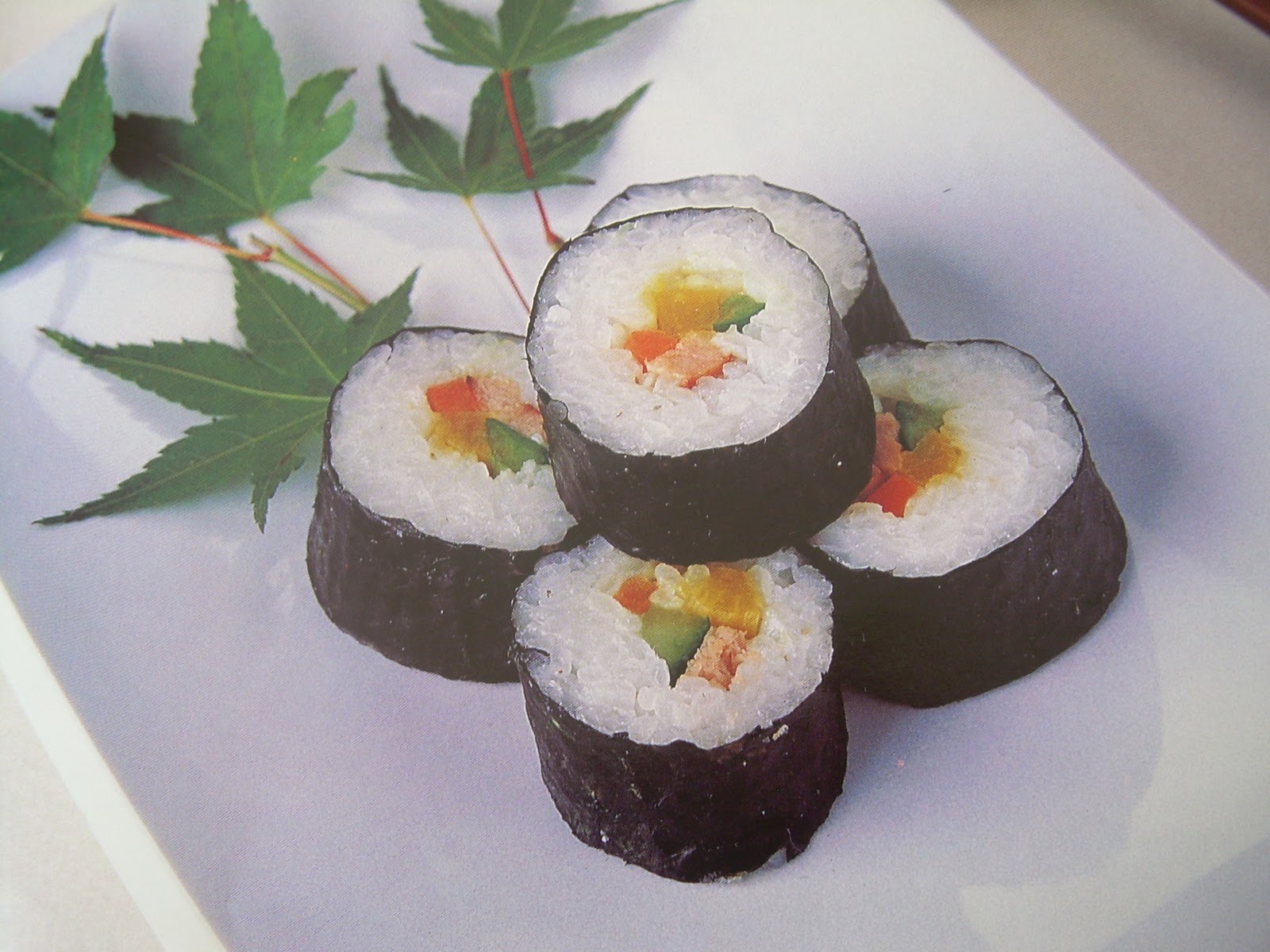
VEGETARIAN SUSHI RECIPE

My family have been taking vegetarian since 11 years ago when my first child was just 3 months old. If we compare the popularity of vegetarian now and 11 years ago, we can get vegetarian restaurants easily nowadays, unlike those days which we found very difficult to get a vegetarian restaurant.

However, the vegetarian foods are still not that popular in schools, especially the school that my children are studying in. Therefore, my wife has to cook vegetarian foods for our kids to bring to school and in fact, my wife loves to cook too.

One of the favorite food my wife like to cook is vegetarian sushi. Here is the recipe:-

Ingredients

(A) 3 sheets roasted laver

(B) 3 cucumbers
     3 carrots
     3 Japanese preserved radish
     3 slices vegetarian ham
      (all cut into strips)
      (optional, you can add in some avocado for healthier diet)

(C) A dash of Japanese soy sauce
     A bit of wasabi (optional, depends on your taste)

(D) 300g Japanese rice - soaked for 1 hour
     2 1/4 cups water

(E) Seasoning
     2 table spoon Japanese vinegar
     1 1/2 table spoon sugar
     1/2 tea spoon salt

Method

To cook rice:-

Cook (D) in a rice cooker. When it is done, leave it for 15 minutes to dry. Loosen the rice and add in seasoning. Cover it and leave it aside.

To prepare sushi:-

Place a piece of laver on the sushi rolling mat. Spread the rice evenly and arrange (B) on top of it. Roll and squeeze as tight as possible. Cut the sushi with a sharp knife, which is dipped in vinegar. Now it is ready to serve.


Alternatively, sushi can be made into triangle shape as follows:


or put into this "pocket" (sorry I don't know what it is called),


These are various type of sushi for my children to bring to school, cool or cool?


Thursday, November 4, 2010

WHY ARE VEGETARIANS PROTECTED FROM OSTEOPOROSIS

In 1983, the Journal of Clinical Nutrition reported the results of a study of bone densities in the United States. Researchers at Michigan State and other major universities found that, by the age of 65 in the United States:
  • Male vegetarians had an average measurable bone loss of 3%
  • Male meat-eaters had an average measurable bone loss of 7%
  • Female vegetarians had an average measurable bone loss of 18%
  • Female meat-eaters had an average measurable bone loss of 35%
In 1984, another major study of bone densities in the United State was reported by the Medical Tribune. The conclusion was typical of the many such studies: vegetarians were found to have "significantly stronger bone"

At the age of 65, the average meat eating woman in the United States has lost over a third of her skeletal structure. In contrast, older vegetarian women tend to remain active, maintain erect postures, and are less likely to fracture or break bones even with their increased physical activity. If their bones do break or fracture, they heal faster and more completely.

You may wonder, since osteoporosis seems to be caused by excessive dietary protein, why vegetarians seem so protected from its ravages. Isn't it possible to overdose on vegetarian proteins? Even haunted by the protein myth, however, vegetarians tend not to over-consume protein to the extent that meat-eaters do, and this is one reason they do not suffer nearly as much osteoporosis. But even if a vegetarian were to consume as much excess protein as a meat-eater, he or she would still have stronger bones because meat, eggs and fish contribute to osteoporosis in other way - pH of the blood.

Keeping our blood at an essentially neutral pH is a top priority for the body. If our blood were to become too acidic we would die. Accordingly, if the diet contains a lot of acid forming foods, then the body, in its wisdom, withdraws calcium from the bones and uses this alkaline mineral to balance the pH of the blood. As we can see meat, eggs and fish are the most acid-forming foods, and hence the ones that cause calcium to be drawn from the bones to restore the pH balance. Most fruits and vegetables, on the other hand, generally yield an alkaline ash, and so require no depletion of calcium stores from the bones to maintain the neutrality of the blood.

Therefore, it is advisable to consume more vegetarian foods than meat, egg and fish in order to keep our bones stronger and maintain the neutrality of our blood, and subsequently protect us from osteoporosis and other major diseases.

Wednesday, November 3, 2010

WHAT IS OSTEOPOROSIS AND HOW TO KEEP OUR BONES SOLID?

Osteoporosis is a clinical name given for bone mineral losses (called 'bone re-sorption'). For a person technically to qualify for this label, it means he has lost 50% to 75% of the original bone materials from his skeleton. The loss of calcium and other minerals from the bones is a gradual process which takes a long time before it becomes evident. And it is usually not apparent until loose teeth, receding gums, or a fractured hip show how brittle and chalky the bones have become. As a result, the calcium-deficient bones may break with the slightest provocation, even a mere sneeze may crack a rib.

The reason why the decreasing bone density is hard to be detected is that even in extremes cases of osteoporosis, the calcium level of the blood is usually normal. In the body's ranking of needs, the blood level of calcium takes definite priority over the bone level of calcium. The body needs calcium in the blood for vital operations, such as controlling muscular contractions, blood clotting, transmission of nerve impulses, and other utterly essential tasks. When the body needs to supply calcium to the blood for any reason, it acts as if the bones were a "bank" of stored calcium, and through a series of biochemical reactions, calcium is withdrawn from the calcium bank to be supplied to the blood.

People believe that bones lost calcium only if there were not enough calcium in their diets. For this point of view, and the solution they propose, is to drink higher protein dairy products. However, the modern nutritional research indicates a major flaw in this perspective. In fact, osteoporosis is a disease caused by a number of things, the most important of which is excess dietary protein!

The incidence of osteoporosis correlates directly with protein intake, ie the more excess protein in the diet the greater the incidence of negative calcium balance, and the greater the loss of calcium from the bone. In other words, the more protein in our diet, the more calcium we lose. Therefore, high protein diets in general, and meat based diets in particular, lead to a gradual decrease in bone density, and produce the ongoing development of osteoporosis.

Many studies carried out during the past decades show that the most important dietary change that we can make in order to create a positive calcium balance that will keep our bones solid is not to increase the amount of calcium in our daily diets, but to decrease the amount of protein we take in.
Related Posts Plugin for WordPress, Blogger...